
Medium-Duty Towing Explained
Box trucks keep a lot of daily work moving. Delivery routes depend on them, local businesses rely on them, and many drivers spend long hours behind the wheel trying to keep schedules intact. At some point, though, mechanical trouble interrupts that routine. Breakdowns happen, and that moment often leaves drivers searching for Ash Fork van towing that can handle a larger vehicle without delay.
We see this situation regularly around town and along the highways surrounding Ash Fork. Box trucks sit right in the middle of the towing world. They weigh more than a standard van or pickup but fall short of the massive size of tractor trailers. That middle ground calls for medium-duty towing, which gives these vehicles the support they need during roadside trouble.
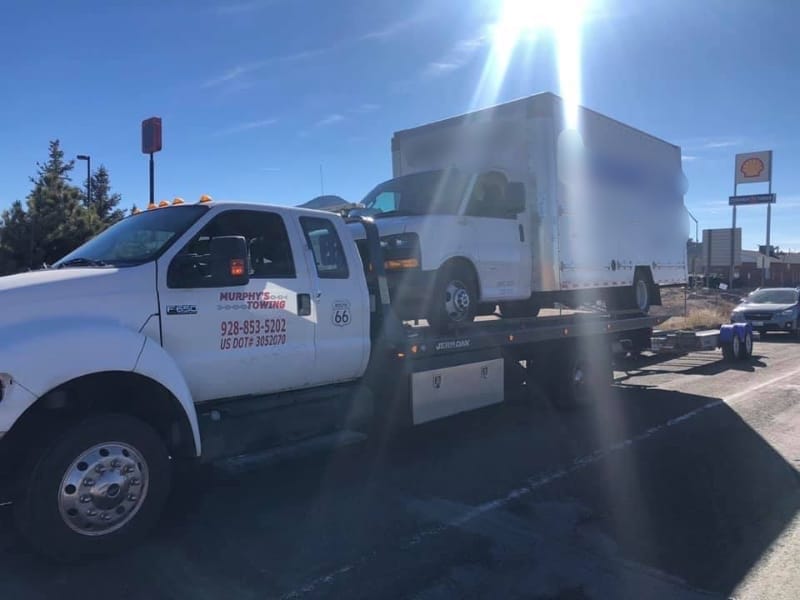
Why Box Trucks Often Need Medium-Duty Towing
Box trucks carry heavy loads while traveling through constant stop and go traffic. Delivery work pushes engines, brakes, and transmissions through demanding conditions every single day. Over time, parts wear down and eventually fail.
Drivers usually contact us after one of these issues appears:
- Engine overheating during long drives
- Transmission trouble while shifting through traffic
- Brake problems after hauling heavy loads
- Electrical failures that prevent the truck from starting
- Tire blowouts on busy highways
Each of these problems can leave a driver stranded. A box truck cannot simply sit on the roadside waiting for a quick fix. Its weight and size require a proper tow setup that can support the vehicle and move it off the road.
What Medium-Duty Towing Means for Box Trucks
Medium-duty towing sits between light vehicle service and heavy tractor trailer recovery. The trucks used in this category handle vehicles such as box trucks, delivery vans, small buses, and work trucks used by contractors.
When we respond to a call involving Ash Fork van towing, we often see vehicles that fall into this medium-duty range. Box trucks carry more weight than many people expect, especially once cargo fills the back. A tow truck built for passenger cars cannot handle that load.
Medium-duty tow trucks support these vehicles through features designed for larger weight limits. Drivers rely on strong wheel lifts and stable towing systems that keep the truck balanced during transport. This approach keeps the box truck steady while moving it away from traffic and toward a repair location.
Road conditions around Ash Fork add another layer to these situations. Mountain routes, changing weather, and long highway stretches mean a stalled vehicle can quickly disrupt traffic. A quick response helps clear the road and allows the driver to move forward with repairs.
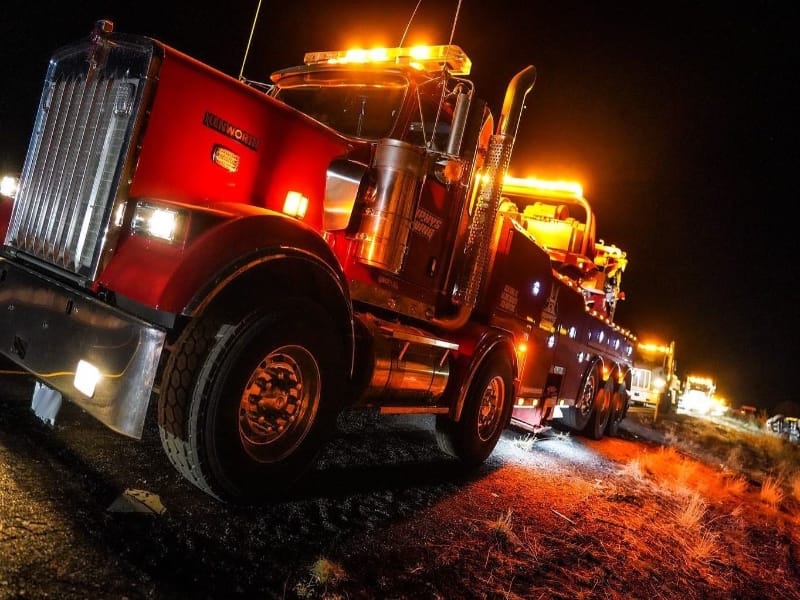
Murphy’s Towing Delivers Ash Fork Van Towing Businesses Can Trust
At Murphy’s Towing, we spend a lot of time working with drivers who operate delivery trucks and commercial vans around northern Arizona. Our team regularly handles Ash Fork van towing requests involving box trucks that can no longer continue their route.
We provide Ash Fork van towing for delivery vehicles, work vans, and medium-duty trucks that need roadside help. Many drivers contact us for Ash Fork van towing after a breakdown interrupts a delivery schedule. Others reach out for Ash Fork van towing once a mechanical problem leaves a vehicle unable to move.
Our crews stay ready for calls throughout the Ash Fork area. Local businesses depend on vehicles like box trucks every day, and drivers often need a towing operator that can respond quickly and move the vehicle to a repair shop or service yard.
Frequently Asked Questions
What qualifies a vehicle for medium duty towing?
Medium duty towing covers vehicles that weigh more than passenger cars but less than large tractor trailers. Box trucks, delivery vans, small buses, and work trucks usually fall into this category. These vehicles require tow trucks built to handle higher weight and larger frames.
Why can’t a standard tow truck move a box truck?
A standard light duty tow truck is designed for smaller vehicles such as sedans, SUVs, and pickup trucks. Box trucks carry heavier frames and cargo loads, which require equipment designed to support that extra weight during transport.
What should a driver do after a box truck breaks down on the road?
Drivers should move the vehicle to the shoulder if possible and turn on hazard lights. It helps to place warning triangles behind the truck to alert approaching traffic. After that, contacting a towing provider allows the vehicle to be removed from the roadway and taken to a repair location.
Are box trucks harder to tow than regular vehicles?
Yes, they can be. Box trucks have longer wheelbases, heavier frames, and larger cargo areas. These factors require careful positioning during the tow so the vehicle remains balanced while traveling to its destination.
Where are box trucks usually taken after a tow?
Most drivers request transport to a repair shop, fleet maintenance yard, or company location. In some situations, the vehicle may be taken to a secure lot until repairs or cargo arrangements can be made.
How long does it usually take for a tow truck to move a box truck?
The time depends on traffic conditions, road access, and the vehicle’s condition. Preparing the truck for towing usually takes several minutes, followed by transport to the selected repair or storage location.