
Leaning the Wrong Way
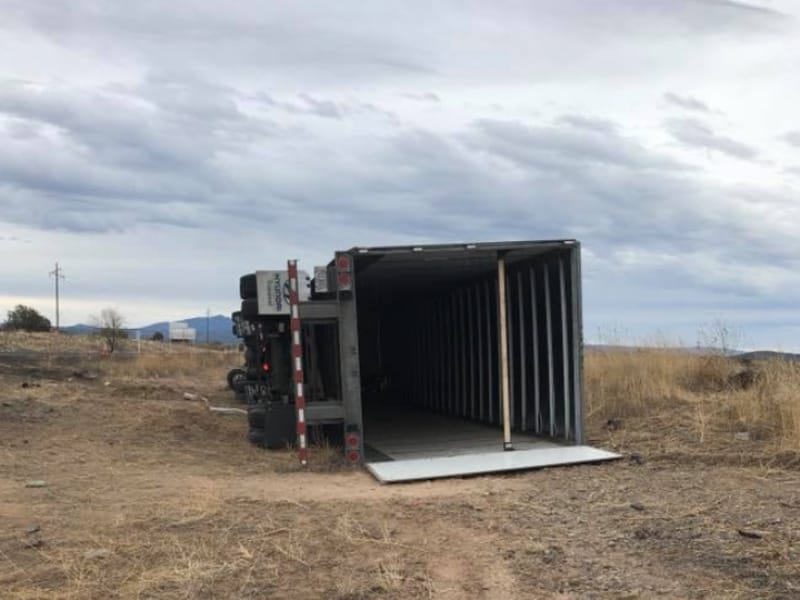
There’s a reason rollovers get talked about more than other crashes. Even though they’re less common overall, they’re responsible for a big share of serious injuries in trucking. We see that firsthand during Williams heavy towing calls across all our locations in Arizona. It’s not just fear, either, but respect for how quickly things can go wrong when weight shifts at the wrong moment.
That’s another place smart rollover prevention shows its value. Avoiding the situation saves hours of shutdown and risk for everyone else on the road.
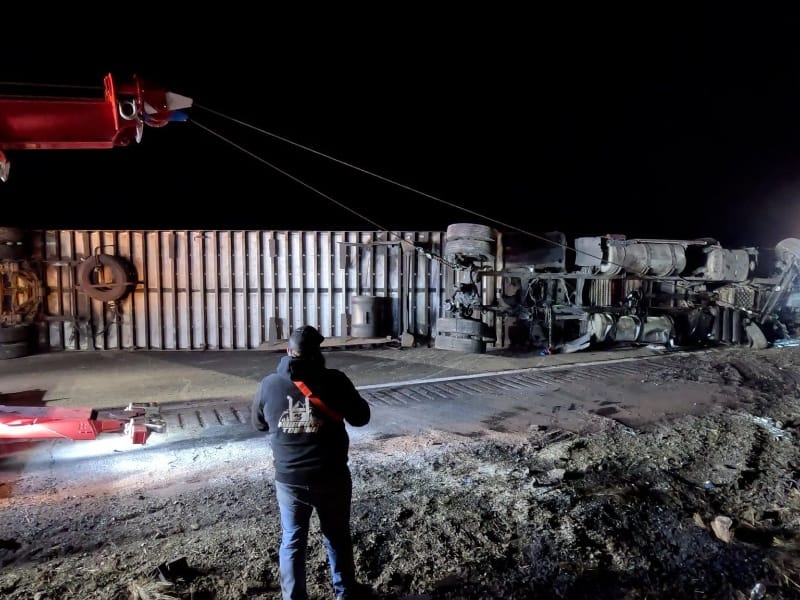
When Small Mistakes Lead to Big Problems
Most rollovers we respond to don’t start with something dramatic. It’s usually a chain of small decisions stacking up over miles. A driver runs a little faster than they should through a curve. Maybe the load wasn’t evenly distributed back in Flagstaff. Maybe the wind picks up just enough near Ash Fork.
That’s where things tip. Literally.
What we notice on scene
We walk these scenes before we even touch the truck. Patterns show up fast.
- Loads shifted to one side
- Trailers riding high with light front weight
- Drivers misjudging exit ramps
- Sudden steering corrections
It’s rarely just one thing
Rollovers don’t happen because of a single mistake. It’s usually three or four small ones lining up. That’s why smart rollover prevention has to start before the truck even hits I-17 or I-40.
Arizona Roads Add Their Own Challenges
Northern Arizona isn’t flat, and it doesn’t stay consistent. One stretch feels easy, then you hit a downgrade or a curve that tightens more than expected. Add in wind across open desert and it changes everything.
We’ve pulled rigs over near Holbrook where the driver swore the road looked straight. It wasn’t. It just opened up wide enough to trick them.
Wind plays a bigger role than most think
Empty trailers and high-sided loads get pushed around more than drivers expect. We’ve seen trailers drift just enough to shift weight, then it’s over.
Grades and curves don’t forgive much
Once speed builds on a downhill stretch, it carries right into the next curve. That’s where smart rollover prevention matters most. You don’t fix speed in the curve. You fix it before.
What Truckers Can Do
What works is simple, it’s practical, and sometimes just takes a little prep:
- Slow down before curves, not during
- Check load balance every stop, not just at pickup
- Treat empty trailers like they’re unstable
- Watch wind flags and dust movement
- Take ramps slower than you think you need to
When a Rollover Happens, It’s Never a Quick Fix
Clearing a rollover isn’t as simple as hooking up and pulling. Most scenes take time, planning, and patience. We often spend the first 20 to 30 minutes just stabilizing the vehicle before any recovery starts, especially on Williams heavy towing jobs where traffic and terrain add pressure.
Fuel leaks, cargo spills, traffic control. It all adds up, and most Williams heavy towing recoveries take longer than drivers expect once everything is accounted for.
How we approach recovery
We don’t rush these jobs. First step is securing the scene so nothing shifts again. Then we figure out weight distribution, anchor points, and how to bring the truck back without causing more damage. That process comes from years of hands-on Williams heavy towing experience across these highways.
Sometimes that means offloading cargo first. Sometimes we can upright it in one controlled pull. Every situation is different.
Why Murphys Heavy Towing Sees Williams Heavy Towing Situations Every Week
At Murphys Heavy Towing, we’ve been handling these situations since 2014 across Flagstaff, Williams, Holbrook, and Ash Fork. Four locations, all tied into the same highways where most of these calls happen. A large part of our day-to-day work involves Williams heavy towing, especially along I-40 where crosswinds and long grades catch drivers off guard.
We don’t just respond after the fact. A lot of what we do is based on what we’ve already seen go wrong out here. I-40 through Williams, I-17 heading south, those stretches tell the same story over and over. Williams heavy towing it what we deal with on the shoulder, in the dirt, and out in traffic, usually with a line of drivers slowing down to see what went wrong.
FAQs
What is the most common cause of a truck rollover?
Speed going into a curve is the biggest factor. It gets worse if the load shifts or sits uneven. Wind and road slope can push things past the limit fast.
Can an empty trailer be more dangerous than a loaded one?
Yes, especially in strong crosswinds. Empty trailers sit higher and have less downward weight to keep them stable. They can drift and tip more easily than drivers expect.
How long does it take to clear a rolled over semi truck?
It depends on the load and the position of the truck. Some recoveries take under an hour, others stretch into several hours. Spilled cargo and traffic control usually slow things down.
Will cargo always need to be unloaded after a rollover?
Not always, but it happens often. If the weight makes the truck unstable, we remove part of the load first. That keeps the recovery controlled and avoids more damage.
What should a driver do right after a rollover happens?
First, get to a safe distance and call for help. Stay clear of the vehicle if there are leaks or shifting cargo. Giving clear details about the load helps speed up the response.
Can rollovers be prevented completely?
No, but the risk can be reduced a lot. Slowing down early and keeping loads balanced goes a long way. Most incidents we see had warning signs before things tipped.