
The Breakdown Playbook
A breakdown on the road is already a mess. No need to make it worse. What happens in the moments after your truck stops rolling can have a big impact on how fast you get back on the road and how expensive things get. We’ve seen what works and what doesn’t, especially out here along the I-17 corridor. Truckers who keep calm and act smart make it through with fewer headaches. The rest? Well, that’s what we’re diving into. We’re laying out the five most common mistakes truckers make after a breakdown; mistakes we’ve seen firsthand in I-17 heavy towing calls. Fixing a flat or dealing with a dead rig is bad enough. Doing the wrong thing after it happens can cost you time, money, or worse.
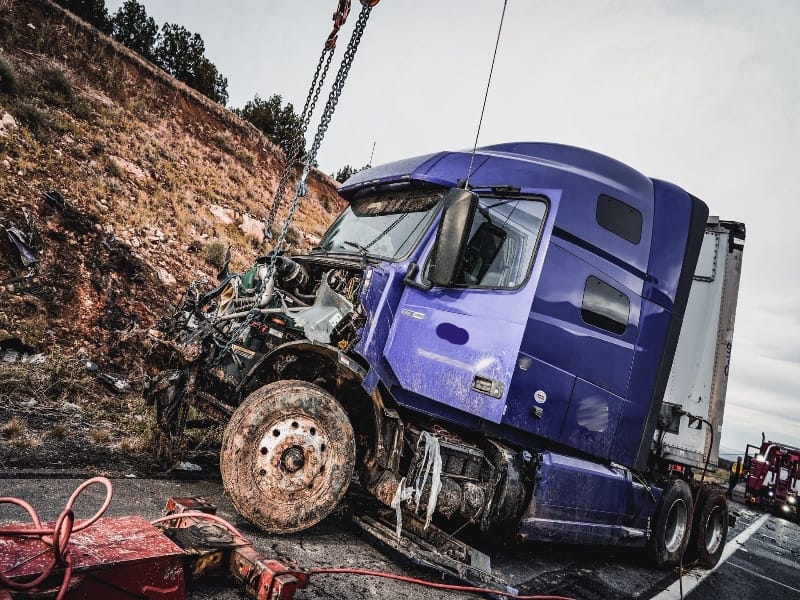
1. Not Getting to a Safe Location First
You’ve got seconds, maybe minutes, to act when something goes wrong. Too many drivers freeze or stop where they are, even if they’re in a dangerous spot. That puts them and others at risk. If the truck still has momentum, steer it toward the shoulder, off-ramp, or anywhere that’s not a live lane.
Even a hundred feet of movement can make the difference between a safe recovery and a dicey roadside operation. This isn’t just about your truck. It’s about everyone else on the road too.
2. Skipping the Basics: Lights, Triangles, and Logs
A breakdown with no hazard lights on and no triangles set up, invites secondary accidents. You’re required to warn other drivers, and it helps us locate you faster too. Leaving these steps out makes the situation more dangerous and possibly gets you a fine.
Also, don’t forget to log the event. If you’re inspected later, missing entries or incomplete logs won’t help your case.
3. Trying to “Tough It Out” and Fix Things Solo
This is a big one. We know truckers take pride in being self-reliant, but messing with your rig in high-speed traffic is a gamble. Some drivers try to swap a tire or dig around the engine bay without proper tools or safety gear, especially right on the shoulder.
Not only is it dangerous, but it can also cause more damage. Save the wrench work for the shop. A solid I-17 heavy towing team will get you moved to a better spot before repairs even start.
4. Calling the Wrong Kind of Help
Not every tow company is equipped for big rigs. And yet, drivers still call the first number they find. That delay can cost you hours. What you need is a crew trained in I-17 heavy towing, with the gear and experience to handle loaded semis, trailers, or even hazmat.
Always keep the right numbers on hand. Calling the wrong service leads to double the wait and often double the cost.
5. Leaving the Scene Unattended
Maybe a friend is coming to pick you up. Maybe dispatch tells you to wait it out somewhere warm. Either way, don’t leave your truck alone on the side of the interstate without letting authorities or your tow team know. Abandoned rigs attract attention: from thieves, cops, or curious passersby… and can be towed or ticketed before you know it.
At the very least, stay nearby or leave clear instructions about how to reach you. It’s the smart thing to do and it protects your equipment.
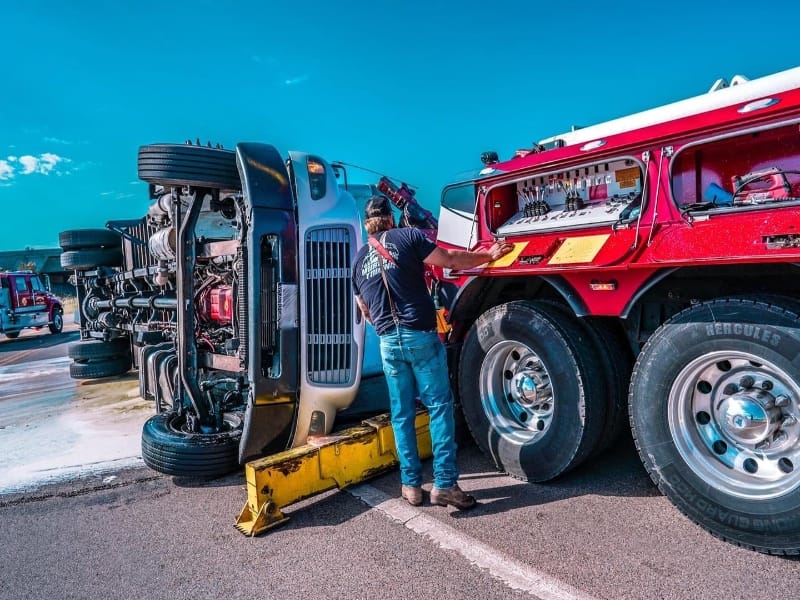
Murphys Towing: Your I-17 Heavy Towing Partner
We’ve been through it all: the late-night calls, overturned trailers, full-load breakdowns on steep grades. Murphys Towing handles I-17 heavy towing with experience, the right equipment, and a deep understanding of what truckers face on this stretch of road.
If you’re stuck along I-17, give us a call. Our I-17 heavy towing team responds fast, gets you to a safer place, and makes sure your rig is handled right. We know how critical timing is in heavy-duty towing. That’s why we show up prepared, every single time. From roadside recovery to full-load hauls, we handle the toughest breakdowns without adding to your stress.
Here’s what you can count on when you call Murphys Towing for I-17 heavy towing:
- 24/7 dispatch with fast response times
- Specialized trucks for heavy towing jobs
- Recovery services for wrecks, breakdowns, and off-road situations
Don’t let a bad breakdown turn into a worse recovery. Next time the road throws you a curve, make the right call and skip the mistakes. Murphys Towing is here to keep truckers moving.dd
FAQ
What should I do first when my truck breaks down on the highway?
Safely steer the vehicle out of traffic and turn on your hazard lights immediately. Then set up warning triangles behind the truck to alert other drivers.
How far apart should warning triangles be placed behind a truck?
Place the first triangle 10 feet behind the vehicle, the second 100 feet behind, and the third 200 feet away. These distances help oncoming traffic see your truck early.
Can I fix a mechanical issue on the side of the road?
Only attempt basic checks if the area is safe and you have proper gear. For anything beyond that, wait for trained roadside assistance or towing services.
Who should I call for help during a breakdown?
Contact a towing company that works with commercial trucks. Be ready to share your location, truck details, and the type of load you’re carrying.
Is it legal to leave my truck unattended after a breakdown?
Laws vary, but leaving a truck unattended can lead to fines or impoundment. If you must leave, inform local authorities and your company.
How can I prevent a breakdown from getting worse?
Stay calm, follow safety steps, and avoid trying risky repairs. Keeping communication open with dispatch and responders helps everything go smoother.