
When the Cold Sets In
Winter is coming. And when it does, Winter driving brings its own challenges. For truckers, cold starts can be among the most frustrating during the freezing months of the year. Around northern Arizona, overnight temperatures can drop far enough to create problems for diesel fuel, batteries, and starting systems. For drivers who depend on their rigs every day, knowing when to call for Ash Fork semi towing can be just as important as knowing how to prevent a breakdown.
A semi that ran perfectly the night before may struggle to start the next morning. Sometimes the starter turns slowly. Other times, the engine cranks normally but refuses to fire, or it starts and stalls a few minutes later.
Those symptoms can point to different problems. Before assuming the fuel has gelled, it helps to understand what cold weather actually does to a diesel truck.
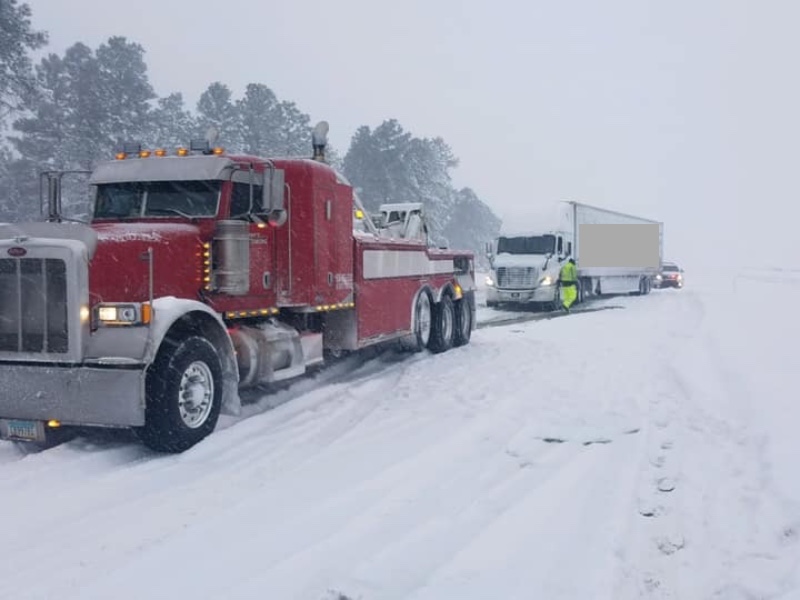
What Happens When Diesel Fuel Gels?
Diesel fuel contains paraffin wax, which helps give it some of its useful properties. As temperatures fall, that wax begins forming tiny crystals. At first, the fuel may look cloudy. As more crystals develop, they can collect in the fuel filter and restrict the flow of diesel to the engine.
This is what truckers usually mean when they say their fuel has gelled.
The temperature at which problems begin depends on the fuel blend, its treatment, and the conditions. There isn’t one magic number that applies to every truck. Untreated No. 2 diesel is generally more vulnerable to cold-weather filter plugging than properly blended winter fuel.
And not every hard start means gelling. Weak batteries, thickened engine oil, failing glow plugs or intake heaters, and moisture in the fuel system can also make cold mornings difficult.
Getting Ahead of the Freeze
The best time to prepare a diesel truck for freezing temperatures is before the weather arrives. Once wax crystals have already plugged a filter, pouring an ordinary anti-gel additive into the tank may not solve the problem.
We recommend making winter preparation part of your regular maintenance routine, especially if your routes take you through higher elevations.
A few things deserve attention:
- Use appropriate winter diesel. Buy fuel suited to the temperatures expected along your route, not just where you filled up.
- Treat fuel early. Follow the additive manufacturer’s instructions and use preventive treatments before the fuel gets too cold.
- Check fuel filters and water separators. Restricted filters and accumulated water can make an already difficult cold start worse.
- Test batteries and charging systems. Cold temperatures reduce available battery power while the engine demands more energy to start.
- Inspect starting aids. Glow plugs, intake heaters, and block heaters should be working before you need them.
For drivers arranging semi towing in Ash Fork after a winter breakdown, a little preparation might have prevented the interruption entirely. But even well-maintained trucks can run into trouble when temperatures change quickly.
What to Do When Your Semi Won’t Start
If your truck refuses to start, resist the urge to keep cranking until the batteries are drained. Pay attention to whether the starter is turning slowly, the engine is cranking without firing, or the engine starts and then stalls. Those details can help a technician narrow down the cause.
If gelling is suspected, the fuel system may need to be warmed and the affected filters addressed. Don’t use an open flame or improvised heating method around diesel fuel or engine components. Avoid using starting fluid unless the engine manufacturer specifically permits it.
Sometimes roadside service can get a truck running again. Other times, the problem requires repairs that can’t reasonably be completed where the truck stopped. That’s when Ash Fork heavy-duty towing for semis becomes part of the plan.
A driver requesting truck towing near Ash Fork should be ready to describe the symptoms, the truck’s location, and whether it’s parked somewhere accessible. That information helps determine what kind of assistance is appropriate.
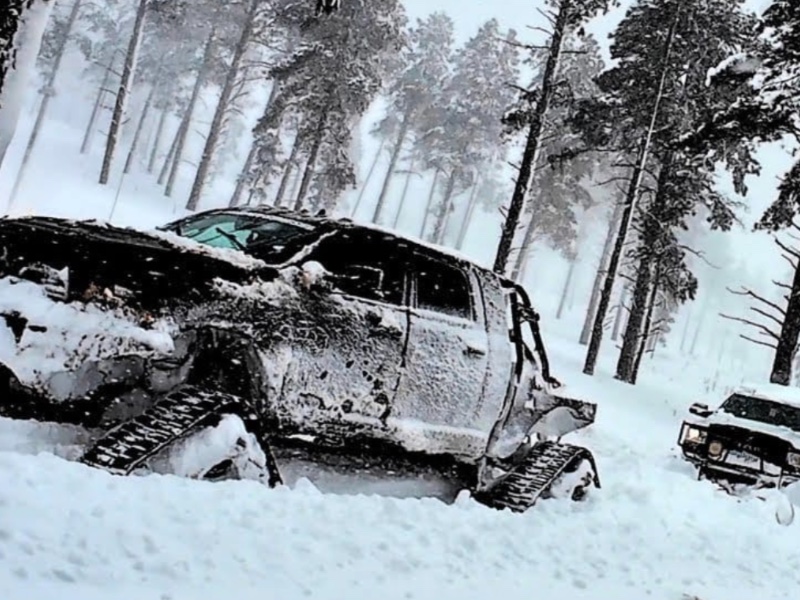
Murphy’s Towing for Semi Repair and Towing in Ash Fork
At Murphy’s Towing, we understand how disruptive a cold-weather breakdown can be for a working truck. Our semi repair and roadside services are there for drivers dealing with mechanical trouble, starting problems, and unexpected interruptions on the road. When a repair isn’t practical at the breakdown location, towing may be the next step.
Drivers looking for Ash Fork semi towing and roadside assistance need more than a truck to move their rig. They need someone who can help determine whether the problem calls for roadside attention or transport for further repairs.
Cold weather doesn’t have to catch every driver off guard. Keep an eye on your fuel, filters, batteries, and starting system before temperatures drop. And when a winter breakdown leaves your semi unable to move, Murphy’s Towing can help you work out what comes next.
Frequently Asked Questions
At what temperature does diesel fuel start to gel?
It depends on the diesel blend and any additives used. Wax crystals can begin forming at temperatures above the point where a fuel filter actually becomes plugged.
Can diesel fuel gel while a truck is parked overnight?
Yes. Fuel can cool enough overnight for wax crystals to form, particularly in an untreated fuel system exposed to freezing conditions.
Will anti-gel additives fix diesel fuel that’s already gelled?
Ordinary preventive anti-gel additives work best before the fuel gets too cold. Once filters are plugged, the system may need warming, filter service, or a product specifically intended for emergency use.
How can I tell whether my diesel truck has a battery problem or a fuel problem?
Slow cranking can indicate a weak battery or starting-system issue. If the engine cranks at normal speed but won’t start, fuel delivery is one possible cause, although other faults can produce similar symptoms.
Should I keep trying to start a semi with gelled fuel?
Repeated cranking can drain the batteries and strain the starting system. It’s better to stop and have the cause checked rather than continue unsuccessful attempts.
When does a cold-weather semi breakdown require towing?
Towing may be necessary when the truck can’t be restarted or repaired at its location. The decision depends on the fault, roadside conditions, and what repairs are needed.