
Your DPF Needs a Little Attention Before the Warning Lights Start
A diesel particulate filter spends its working life collecting soot from a diesel engine‘s exhaust. The system periodically burns accumulated soot through regeneration, but driving conditions and system faults can interfere with that process. Ash Fork semi recovery can become necessary when an emissions problem progresses far enough that a truck can no longer complete its route normally. Drivers do not need to become diesel technicians to pay attention to the system. A short checklist can help identify changes early and give a repair shop better information if something does go wrong. Start with what the truck is telling you rather than waiting for reduced performance.
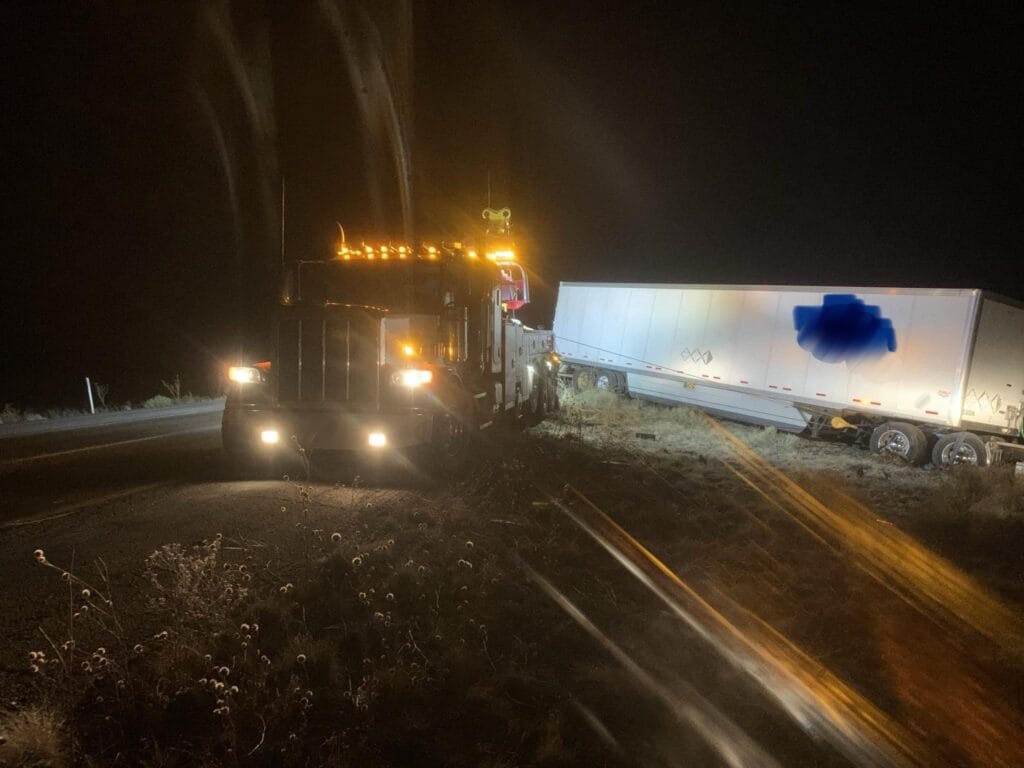
Before the Trip: Check What the Truck Is Telling You
Look at the dash before departure instead of treating emissions warnings as something to revisit later. A DPF or emissions warning deserves attention, particularly if it has returned after previously clearing. Note any change in how frequently the truck requests or performs regeneration.
Think about the truck’s recent duty cycle as well. Extended idling and repeated low-speed operation can make normal regeneration more difficult on some diesel systems. Manufacturer guidance for the specific truck should determine how a regeneration is performed and how warnings are handled.
Your Pre-Trip DPF Checklist
DPF checks can fit alongside the rest of a driver’s normal pre-trip routine. The point is to notice a change while there is still time to address it. Keeping track of warning lights and regeneration behavior also gives a technician more useful information if diagnosis becomes necessary. It may also help prevent a roadside semi recovery near Ash Fork later in the route.
Before leaving, ask:
- Is a DPF or emissions warning illuminated?
- Has the truck requested regeneration recently?
- Are regeneration cycles becoming more frequent?
- Has a previous warning returned?
- Has the truck spent significant time idling or running at low speeds?
- Does the truck feel or sound different from its normal operation?
On the Road: Do Not Treat a New Warning as Background Noise
A warning that appears during the trip deserves the same attention as one found during the pre-trip. Follow the truck manufacturer’s instructions and find an appropriate place to stop if the warning or vehicle condition requires it. Truck recovery around Ash Fork is a much bigger interruption than dealing with an early warning at a suitable location.
A reduction in power changes the situation again. If the truck enters a derate or cannot maintain normal operation, continuing to push it may not be a realistic option. At that point, Ash Fork heavy truck recovery may be needed to get the vehicle to a place where the underlying fault can be diagnosed.
After a Regeneration, Keep Watching
A completed regeneration does not mean every emissions issue has disappeared. If the warning returns, regeneration becomes unusually frequent, or performance remains different, record what happened and arrange diagnosis. DPF problems can involve more than soot accumulation, so repeated symptoms deserve investigation. For drivers trying to avoid semi recovery in Ash Fork, that follow-up is an important part of the checklist.
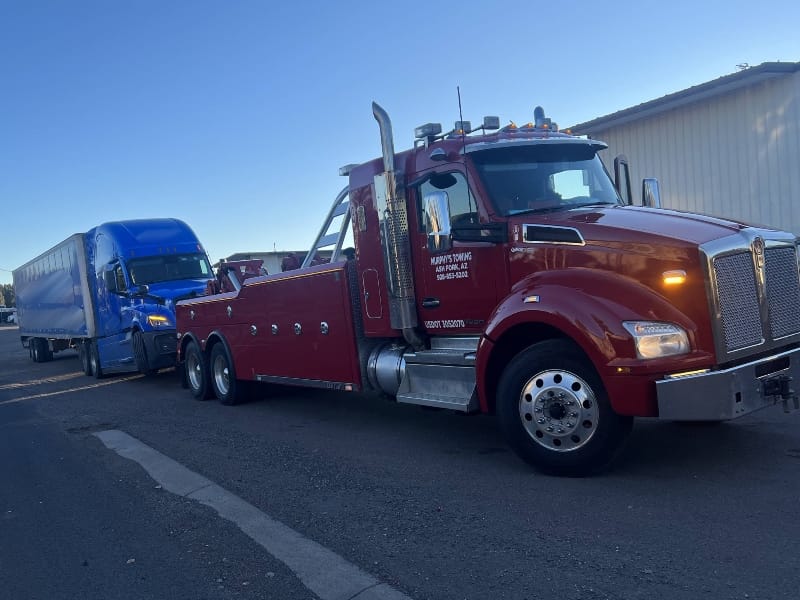
Murphy’s Heavy Towing: Ash Fork Semi Recovery With Diesel Service Behind It
Murphys Heavy Towing, Off-Road Recovery & Semi Truck Repair has worked across Northern Arizona since 2014. Our family-operated business provides commercial truck recovery near Ash Fork, heavy towing, off-road recovery, diesel service, and truck repair around Ash Fork, Flagstaff, Holbrook, Williams, and the surrounding region. Our ASE-certified technicians continue their education as diesel systems and vehicle technology evolve.
That combination matters when an emissions warning progresses into a roadside problem. We believe in honest assessments, fair pricing, and explaining what a vehicle needs rather than guessing at the cause. If a DPF issue leaves a rig unable to continue, Ash Fork semi recovery gets the truck off its interrupted route and toward the diagnosis it needs.
FAQs
Why do vehicles sink so quickly in desert soil?
Loose sand and dry soil may look firm until a vehicle puts substantial weight on them. Tires can break through the surface and dig deeper as they spin.
Can a dry wash become dangerous even if it is not raining nearby?
Yes. Rain falling elsewhere can drain into washes and cause water levels to rise downstream. Conditions can therefore change even when the immediate area appears relatively dry.
Why is pulling a stuck vehicle straight toward the road not always possible?
Terrain, vehicle angle, and available access can make a direct pull unsuitable. The recovery setup may need a different pulling angle to move the vehicle toward firmer ground.
Does a heavier recovery truck always make extraction easier?
No. The recovery vehicle also needs stable ground and adequate traction. Extra weight can become a disadvantage on soft or rain-soaked terrain.
How does monsoon rain change desert recovery conditions?
Heavy rain can soften shoulders, activate washes, create mud, and weaken ground that previously supported vehicles. Those changes can alter both access and the route used to bring a vehicle out.
What should I do if my vehicle gets stuck far from pavement?
Avoid repeatedly spinning the tires, since that can dig the vehicle deeper. Note your location and describe the terrain, vehicle position, and road access when requesting help.