
Inside the Semi-Truck Decking and Undecking Process
Northern Arizona sees plenty of tractor-trailers passing through, but sometimes the trucks themselves are what need transporting. A dealer may be moving inventory, or a fleet may need several tractors delivered to another location. Flagstaff semi-truck decking makes it possible to move multiple trucks together rather than assigning a driver to every cab. You may have seen the result on the highway: one truck leading, with additional tractors carried in a connected, raised arrangement behind it. Getting them into that configuration takes a lifting operation before the journey starts.
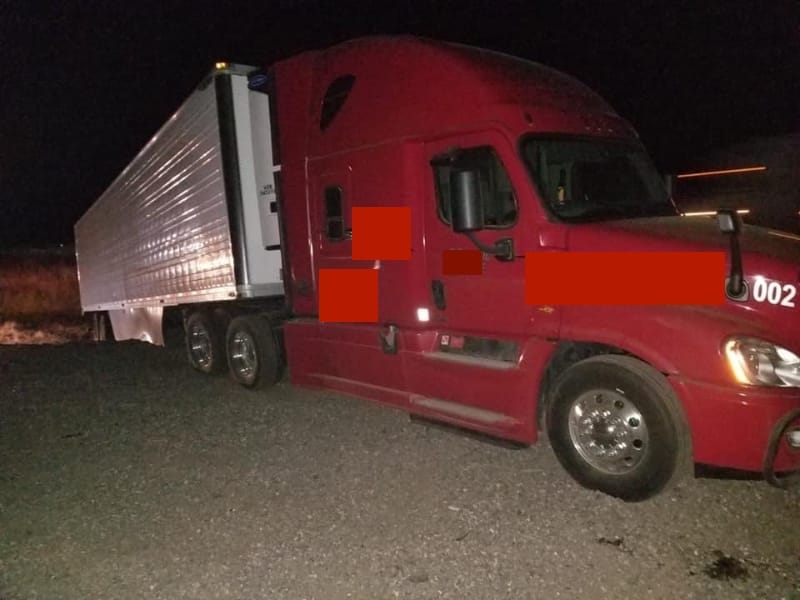
Those Trucks Don’t Stack Themselves
The term decking sounds like parking one truck on another. A truck or commercial vehicle being decked needs proper support and connection hardware. In a common piggyback arrangement, a saddle at the lead truck’s fifth wheel supports the front of the next tractor, while its rear wheels remain on the road.
This is where a towing and recovery operator comes in. We need to establish where the tractor can be lifted, how it will be supported, and whether the trucks’ dimensions suit the proposed arrangement.
A small alignment error is much harder to correct when a truck is suspended above another.
The Real Work Happens Before the Lift
Before starting, we need to know which trucks are involved and what transport arrangement is planned. Several similar tractors can present a different task from a group with varying frames and wheelbases.
We also need level working space for the lifting equipment and the trucks themselves. Mounting hardware has to fit the vehicles, and the connected combination needs its securement, height, and clearances checked before it travels.
We wouldn’t use just any convenient piece of metal as a lifting point. Frames and axles need to be treated according to the truck and hardware involved.
Getting Them Off Is a Job of Its Own
Preparing trucks to travel together is the purpose of decking. At the other end, undecking calls for the raised tractor to be supported again before the transport connections are released.
That means working out where the truck will be lowered, how it can be kept steady, and whether there’s enough clearance to separate the units. The rear wheels may be on the ground already, but the raised front end still needs lifting equipment to bring it down.
The trip may be over. With Flagstaff semi-truck undecking, the job isn’t finished until each truck is back on its own wheels.
What Fleet Managers Should Have Ready
When we arrange commercial truck decking in Flagstaff, the information provided ahead of time matters. We need to know:
- Truck specifications: Make, model, weight, axle arrangement, and wheelbase.
- Number of units: How many trucks need joining or separating.
- Condition: Whether each tractor can roll and steer.
- Working space: Where lifting equipment can be positioned on suitable ground.
- Transport details: How the trucks will travel and where they’ll be undecked.
For I-40 semi-truck decking, a scheduled move is easier to coordinate when everyone knows which trucks are coming and what support equipment is required. A last-minute change in the vehicle lineup can mean changing the lifting plan.
Why Fleets Choose to Deck Trucks
Sending separate drivers to relocate several tractors isn’t always practical. Moving them as a decked combination can cut the number of drivers and powered trucks needed for the journey.
Still, heavy truck decking around Flagstaff involves more than assembling the combination. The arrangement must suit the vehicles and the route, and there must be a plan for taking it apart afterward.
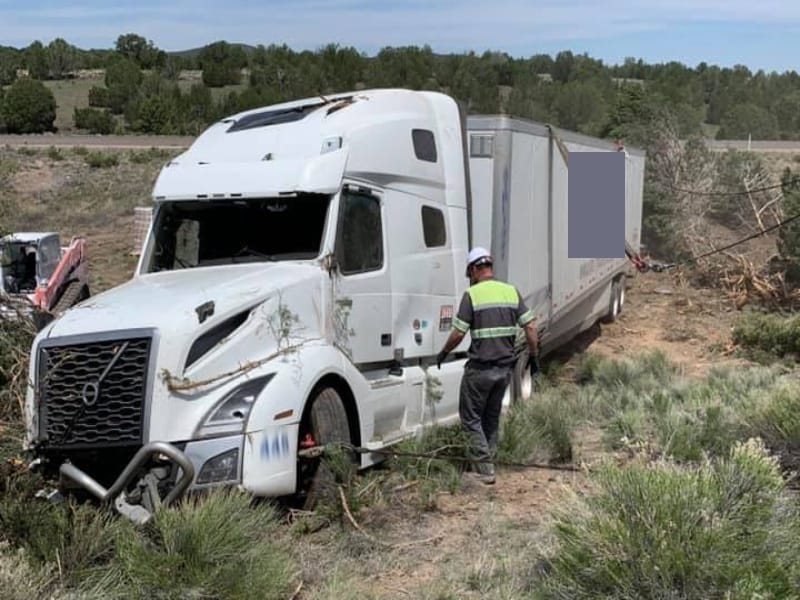
Murphys Towing Handles Flagstaff Semi-Truck Decking
At Murphys Towing, we’ve served northern Arizona since 2014, with locations in Flagstaff, Williams, Holbrook, and Ash Fork. Our work includes heavy-duty towing, recovery, equipment transport, and helping fleets get trucks into and out of decked arrangements. We have heavy-duty vehicles and hoisting equipment for this service.
We offer mobile service on short notice as well as scheduled work. For Flagstaff truck decking services, we’re available around the clock to help fleet operators and transport companies prepare trucks for the road or separate them on arrival. We start with the units involved, because their dimensions and condition determine the setup.
Frequently Asked Questions
What is semi-truck decking?
Semi-truck decking involves lifting and connecting trucks so that multiple tractors can travel together. In a common piggyback arrangement, the front of one truck is supported by another while its rear wheels remain on the road.
What is semi-truck undecking?
Undecking is the process of separating previously connected trucks. Lifting equipment supports the raised tractor while its transport connections are removed and the truck is lowered onto its wheels.
Why do trucking companies deck semi trucks?
Decking allows fleets, dealerships, and transport companies to move multiple tractors with fewer drivers. It can make large fleet relocations easier to organize.
What equipment is needed to deck semi trucks?
The job may require heavy-duty lifting equipment, suitable mounting hardware, and equipment for supporting and positioning the trucks. The exact setup depends on the vehicles.
Can trucks of different sizes be decked together?
Possibly, but their dimensions, weight, axle configurations, and compatible mounting arrangements must be assessed first.
Does Murphys Towing offer mobile decking and undecking?
Yes. Murphys Towing provides mobile decking and undecking across its northern Arizona service area, with both scheduled work and 24-hour response availability.