
The Same Tow Truck Can Face Two Very Different Calls
A sedan stalled near downtown Williams may need to move only a few blocks, while a disabled pickup on I-40 may sit beside traffic moving at highway speed. Both drivers may search for “tow truck” online, but our Williams towing operator sees two very different work areas before arriving on scene.
Location is Everything
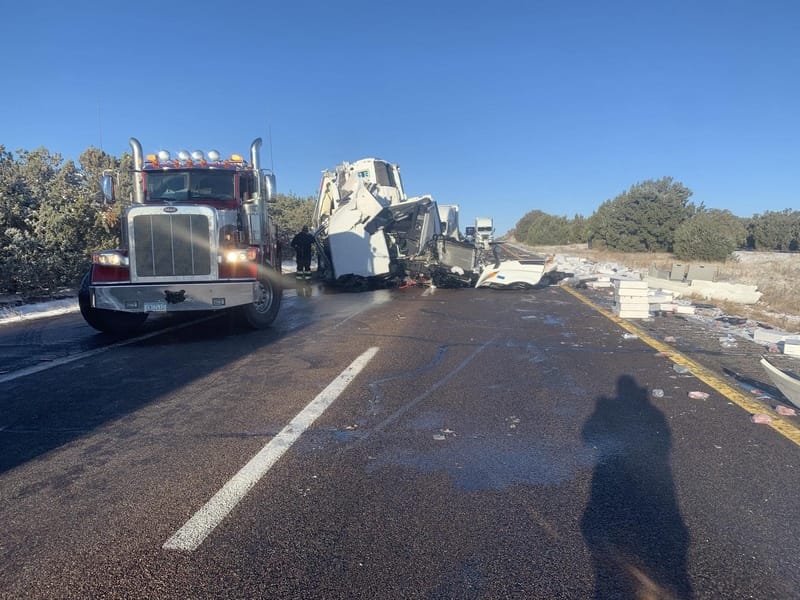
In town, we look at parked cars, narrow curb space, pedestrians, delivery trucks, and the room needed to turn. On the highway, the first concern is traffic approaching from behind. A disabled vehicle may be leaning on a soft shoulder, sitting close to a guardrail, or stopped where drivers have little time to react.
City Towing Is Mostly About Access
Downtown and neighborhood calls usually happen at lower speeds, but that does not make them simple. A truck may be boxed into a parking space near Route 66, stuck behind a building, or parked nose-first against a wall. We sometimes spend more time setting up the tow than moving the car.
City calls also require more conversation. Property owners, police, drivers, and nearby businesses may all need room to get around the scene. In our experience, the hardest city tow is often a normal car in a terrible position. A short trip across town can still require careful wheel placement, dollies, or a rollback.
Highway Calls Bring Speed, Distance, and Exposure
Highway towing around Williams often means I-40, longer travel distances, and fewer places to stage the truck. A blown tire or dead battery may sound routine, but a narrow shoulder changes the job quickly. Semis create another issue because their weight, length, and cargo affect how we position the wrecker.
The biggest difference is the time spent next to moving traffic. Our operators check shoulder width, vehicle position, road grade, and traffic flow before starting. We may need traffic control, a heavier truck, or a different approach if the disabled unit is partly in a travel lane.
The Equipment Choice Changes With the Scene
The address alone does not tell us which truck to send. Dispatch needs the vehicle type, damage, location, and access details. Those answers help us choose from equipment such as:
- Light-duty wreckers for passenger cars and pickups
- Rollbacks for damaged or low-clearance vehicles
- Heavy wreckers for semis, buses, and commercial trucks
- Rotators for rollovers and difficult recovery angles
- Off-road recovery rigs for dirt roads and rough terrain
A highway call may need a heavy wrecker because of vehicle size, while a tight city call may need a rollback because there is no clean pulling angle. Williams towing is less about sending the biggest truck and more about sending one that fits the job. Bringing the wrong unit adds time and can make access harder.
Planning Matters More on Long Highway Tows
Distance changes the cost and timing of a tow. A disabled car near downtown may go to a local shop, but a tractor-trailer on I-40 could need transport to Flagstaff, Ash Fork, Holbrook, or another fleet facility. During Williams towing calls, we confirm the destination early so the operator can plan fuel, route, and equipment needs.
Weather adds another layer. Snow, strong wind, summer heat, and sudden mountain storms can affect road conditions around Northern Arizona. That’s why our Williams towing crew also watch for soft shoulders after rain and icy grades during winter. A tow that looks routine on the dispatch screen can feel very different after the truck reaches the scene.
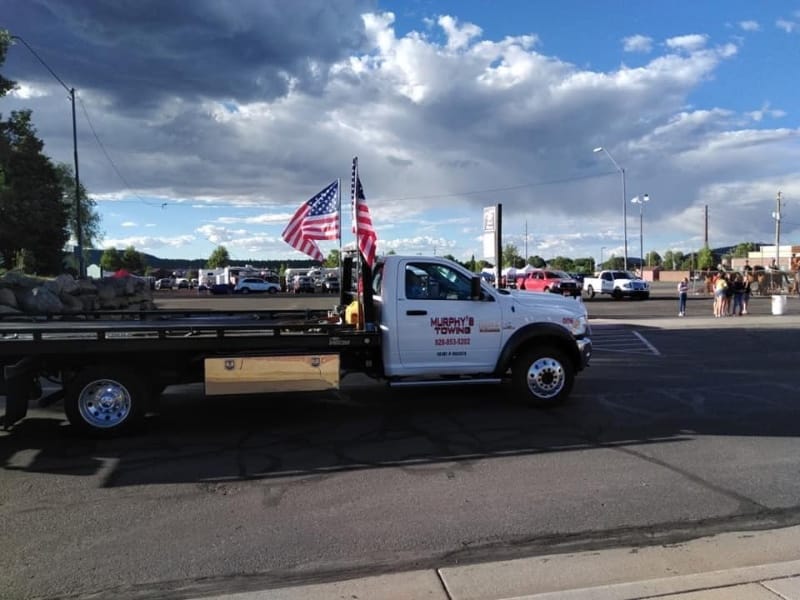
How Murphys Towing Handles Williams Towing From Downtown to I-40
Murphys Towing has served the region since 2014 as a family-owned operation. Our Williams towing work includes light-duty towing, heavy towing, off-road recovery, semi-truck service, diesel support, and accident recovery. Our ASE-certified team works across Williams, Flagstaff, Ash Fork, Holbrook, and nearby routes.
We ask direct questions before sending a truck because city access and highway exposure call for different setups. Some Williams towing jobs may involve a car beside a Route 66 storefront, a semi on I-40, or a pickup stuck beyond the pavement. Around Williams, the road can change from busy downtown traffic to open highway in a few minutes, and the tow plan has to change with it.
FAQs
What information should I give the dispatcher?
Share your exact location, vehicle type, condition, and intended destination. Mention nearby exits, mile markers, landmarks, or hazards. Clear details help the dispatcher send the right truck.
Should I stay inside my car while waiting on the highway?
Follow instructions from police or the tow operator. If the vehicle is in a dangerous position, move to a protected area away from traffic when possible. Never stand between your car and moving vehicles.
Can a tow truck move a vehicle with locked wheels?
Yes, in many cases. Our operators may use wheel dollies, skates, or a rollback to load it without dragging the tires. The best method depends on the drivetrain and available space.
Does four-wheel drive affect how a vehicle should be towed?
Yes. Many four-wheel-drive and all-wheel-drive vehicles should be carried with all four wheels off the ground. Check the owner’s manual or tell the dispatcher what drivetrain you have.
What happens if my vehicle is too large for the first tow truck?
The operator will stop and arrange heavier equipment. Trying to tow an oversized vehicle with the wrong truck can damage both units.