
No Room for Error Under Concrete
A tow truck pickup in a tight underground garage can quickly turn into a long morning, especially when the driver forgets about a roof rack or drops into a ramp too steep for the bumper. We see calls where Seligman towing means working with inches, low ceilings, concrete posts, and nervous property managers watching every move.
In low clearance work, the vehicle usually cannot be loaded the normal way. A flatbed may not fit. A heavy wrecker may be too tall. So we slow down, measure first, and figure out the pull before anything moves.
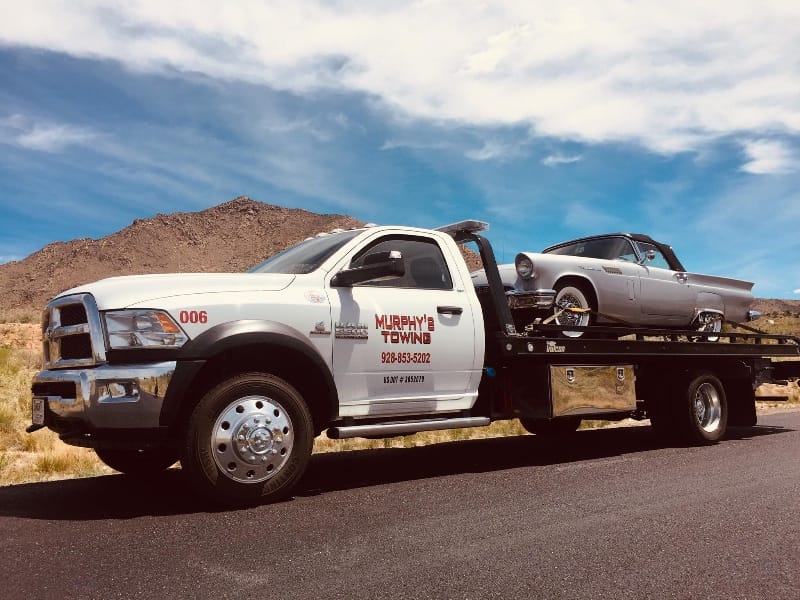
Why Underground Recoveries Get Complicated
The first problem is space. Older garages often have sharp turns, low pipes, narrow lanes, and sprinkler lines sitting right where a taller truck wants to be. One wrong angle can scrape paint, bend a mirror, or put a tow truck roof into concrete.
The second problem is traction. Smooth garage floors do not give much grip, especially if coolant, rainwater, or oil is on the surface. We have seen vehicles stuck at the bottom of ramps where the wheels just spin and the driver keeps making it worse.
The Gear Has To Match The Garage
For tight garage jobs, smaller recovery units, wheel dollies, skates, low-profile equipment, and controlled winching matter. Sometimes the best move is not towing right away. It is shifting the vehicle a few feet, turning it by hand, then setting it up for a cleaner pull.
That is where experience saves time. Seligman towing in a low garage may take longer than a roadside tow on I-40, but rushing it usually costs more. We would rather spend 15 minutes checking clearance than spend an hour fixing a mistake.
What We Check Before Moving Anything
We look at the ceiling, ramp angle, tire position, steering, leaks, and how much room we have to turn. We also check if the vehicle rolls, if the wheels are locked, and if the battery has enough power to release the shifter or parking brake.
Before we pull, we usually sort out a few things:
- Height clearance at the entrance and exit
- Tire condition and wheel direction
- Fluid leaks on concrete
- Access for dollies or skates
- The safest path out of the garage
Small Mistakes That Turn Into Bigger Recoveries
A common one is forcing the vehicle up a ramp after it already scraped once. That can tear loose plastic shields, damage exhaust parts, or wedge the vehicle worse. With Seligman towing calls like this, backing up is not always simple either.
Another mistake is assuming a normal tow truck can fit anywhere a car can fit. It cannot. Seligman towing in underground parking means we may need to approach from a different angle, use a shorter unit, or move the vehicle in stages.
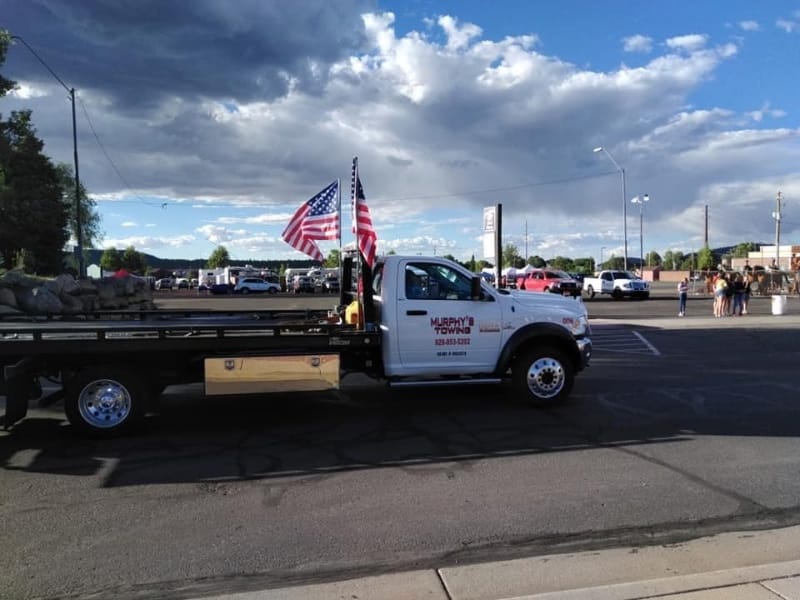
Murphy’s Towing Knows Seligman Towing From Tight Garages To Heavy Calls
At Murphy’s Towing, we handle Seligman towing along with heavy towing, off-road recovery, auto repair, diesel service, and semi truck repair across Flagstaff, Holbrook, Williams, Ash Fork, and nearby Arizona routes. Since 2014, we have grown as a family-operated shop by doing the practical stuff right: checking the scene, giving honest assessments, and using the right setup for the job.
Low clearance work fits right into that. Seligman towing can mean a sedan stuck in a garage, a pickup hung up near a motel lot, or a work truck that will not move after a long run on I-40. Around here, tight spaces, dust, heat, and steep little ramps keep towing work interesting.
FAQs
Can a regular tow truck fit inside a parking garage?
Sometimes, but not always. Many tow trucks are too tall for low ceilings, pipes, and sharp garage ramps. A smaller truck or a different recovery method may be needed.
What should I do if my car gets stuck on a garage ramp?
Stop trying to force it forward. Set the brake, turn on your hazards, and call for help. More throttle can scrape the underside or make the car harder to move.
Can low clearance damage the bottom of a vehicle?
Yes. It can bend exhaust parts, crack plastic shields, scrape bumpers, or damage oil pans. Even a slow scrape can cause a leak.
Why do tow operators measure before moving the vehicle?
They need to know what will clear the ceiling, ramp, and corners. A few inches can decide which truck or equipment can be used. Guessing can create more damage.
Can a car be moved if the wheels are locked?
Usually, yes. Operators may use dollies, skates, or controlled winching to move it without rolling the tires normally. The exact method depends on the space.
Is underground towing more expensive than a roadside tow?
It can be. Tight access, extra setup, and slower movement often add time. The price depends on the vehicle, location inside the garage, and how difficult the exit path is.