
More Than Dirt to Deal With
Northern Arizona can look wide open from the highway, but getting a stranded vehicle back onto firm ground tells a different story. Around Ash Fork, loose soil, steep grades, rocky terrain, and long distances between paved roads can complicate a recovery quickly. Ash Fork off-road recovery often starts with figuring out what the ground will support before we decide how the vehicle should move.
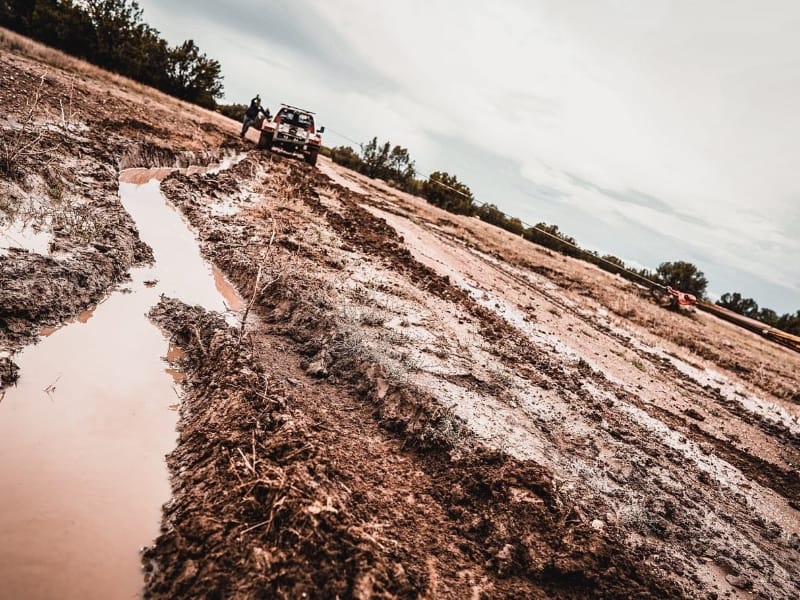
Monsoon Season Can Rewrite the Scene in Minutes
Arizona’s monsoon season adds water to terrain built around rapid drainage. Heavy rain can turn dry washes active, soften shoulders, and leave mud where firm desert ground existed earlier in the day. A truck that leaves the pavement during or after a storm can settle farther into the surface as its weight bears down.
The recovery truck needs dependable footing too. Getting close to a stuck vehicle accomplishes little if the recovery unit loses traction or sinks into softened ground. We look at both ends of the job before committing to a pulling position.
Conditions can also change while a vehicle is sitting there. Dry ground can hide soft patches, and a slope that appears manageable can limit where a recovery truck can position. We have to consider access, vehicle position, terrain, and the route back to solid ground before a pull begins.
Why Distance From Pavement Changes the Plan
A vehicle several feet beyond the shoulder presents a different problem from one deep on a trail or down an embankment. Greater distance affects cable reach, pulling angles, access, and how we return the vehicle to stable ground. Off-road recovery around Ash Fork therefore begins with the entire path out, rather than only the place where the vehicle stopped. Each section of that path has to support the next movement.
Weight Becomes a Bigger Problem Off Pavement
A heavy vehicle places tremendous pressure on a small patch of ground. Soft sand or rain-soaked soil can give way beneath tires that would have no trouble carrying the same load on pavement. That can turn heavy off-road recovery near Ash Fork into a more involved job as the vehicle settles.
We also pay attention to the exact vehicle angle. A truck leaning on a slope cannot simply be pulled in whichever direction offers the shortest route. We have to consider how its weight may shift once it starts moving and choose a route that works with the terrain.
A few factors can make Arizona recoveries particularly demanding:
- Loose sand and gravel
- Steep or uneven grades
- Rocky access roads
- Soft shoulders after heavy rain
- Active or recently flooded washes
- Long distances from firm pavement
- Limited space for positioning recovery vehicles
Why More Power Is Not Always the Answer
A stuck vehicle can tempt people to think that a harder pull solves the problem. Recovery depends on the direction of force, available traction, vehicle position, and the condition of the ground. Those variables become especially important during Ash Fork backcountry recovery, where access may already be limited. A planned pull gives us a workable route from the vehicle’s resting place toward stable ground.
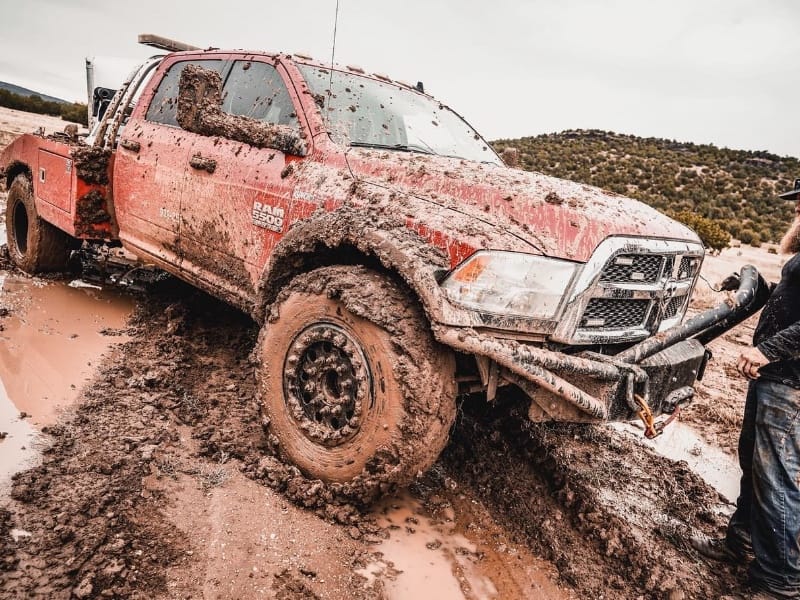
Murphy’s Heavy Towing: Ash Fork Off-Road Recovery Across Northern Arizona
Murphys Heavy Towing, Off-Road Recovery & Semi Truck Repair has served Northern Arizona since 2014. Our family-owned company provides towing, diesel service, auto and truck repair, and off-road recovery in Ash Fork as well as service around Flagstaff, Holbrook, Williams, and surrounding communities. Our ASE-certified technicians continue their training as equipment and vehicle technology change.
We approach Ash Fork vehicle recovery by assessing the situation before deciding what the job requires. Honest assessments and straightforward service have been part of our approach as the company has grown from a small family operation into a regional provider. From dry desert terrain to conditions transformed by monsoon rain, Ash Fork off-road recovery calls give our team plenty of variables to solve before a vehicle reaches pavement again.
FAQs
Why do vehicles sink so quickly in desert soil?
Loose sand and dry soil may look firm until a vehicle puts substantial weight on them. Tires can break through the surface and dig deeper as they spin.
Can a dry wash become dangerous even if it is not raining nearby?
Yes. Rain falling elsewhere can drain into washes and cause water levels to rise downstream. Conditions can therefore change even when the immediate area appears relatively dry.
Why is pulling a stuck vehicle straight toward the road not always possible?
Terrain, vehicle angle, and available access can make a direct pull unsuitable. The recovery setup may need a different pulling angle to move the vehicle toward firmer ground.
Does a heavier recovery truck always make extraction easier?
No. The recovery vehicle also needs stable ground and adequate traction. Extra weight can become a disadvantage on soft or rain-soaked terrain.
How does monsoon rain change desert recovery conditions?
Heavy rain can soften shoulders, activate washes, create mud, and weaken ground that previously supported vehicles. Those changes can alter both access and the route used to bring a vehicle out.
What should I do if my vehicle gets stuck far from pavement?
Avoid repeatedly spinning the tires, since that can dig the vehicle deeper. Note your location and describe the terrain, vehicle position, and road access when requesting help.