
From Dry Run to Downpour
Mid-June through September, Arizona’s monsoon season turns familiar roads into something that requires a second look. For commercial drivers running through the Ash Fork area, the change can be dramatic and fast. Ash Fork semi towing calls increase each summer. The pattern is consistent: flash flooding, rapid visibility loss, and road surfaces that shift within minutes of a storm. Monsoon season calls for a different approach on this corridor, not a different route.
The desert receives most of its yearly rainfall during monsoon months. Rain comes fast, moves quickly, and collects in areas that look dry an hour before. A wash crossing below the highway can fill from storm activity miles away with no visible warning. Truckers who have run I-40 for years know the route changes character every summer.
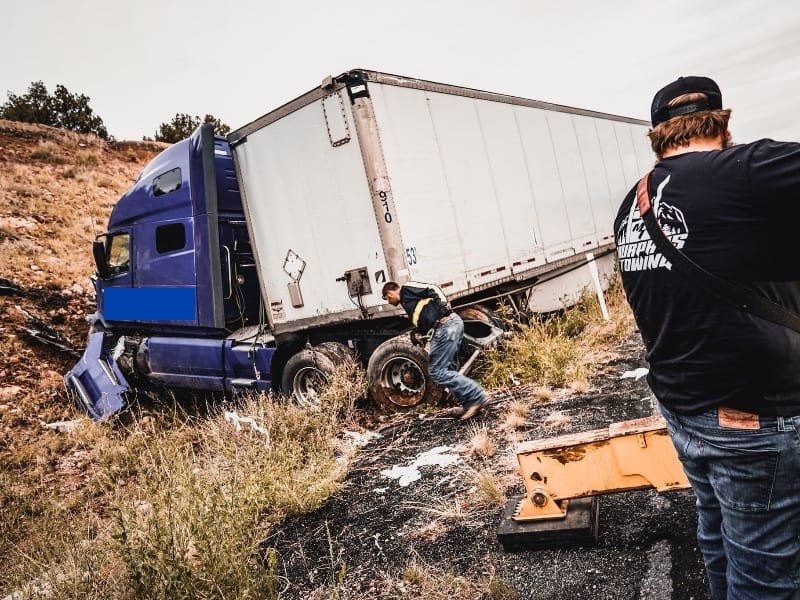
How Flash Flooding Affects a Trucking Corridor
Northern Arizona’s terrain drains water fast and unpredictably during heavy rain. Washes under and alongside the highway can move from dry to active within minutes of a storm cell arriving. Low-lying road sections can collect standing water before the rain above them slows down. Even moderate depth at a crossing creates real risk for a truck running at highway speed.
When a Loaded Semi Meets a Wet Desert Grade
A vehicle at highway weight on a freshly rained desert surface operates on different rules than on dry pavement. The first rain mixes road dust and oil into a slick layer before the water washes it clear. Braking distances extend, and trailer sway becomes harder to correct on curves. Drivers who know this adjust early, before the grade begins.
What Truckers Should Watch for When the Clouds Build
Arizona dust storms compound the monsoon picture. A haboob can drop visibility on I-40 to near zero in under two minutes. The directive when a dust wall approaches is to exit the highway completely and wait. Driving into a haboob is the leading cause of multi-vehicle crashes on I-40 during storm season.
Ash Fork semi towing responses during monsoon months often involve trucks settled on soft shoulder or in flooded pull-outs. The flat tire count climbs as debris washes across the road surface. Ash Fork semi towing calls also bring drivers who pulled off during a haboob and drifted into soft ground. Knowing who to call before the season starts is a step experienced drivers build in.
Monsoon Season: What Prepared Drivers Build Into Their Routine
A few habits make this corridor more manageable when the storms arrive:
- Monitor the full route forecast before departure, not just the origin point
- Identify firm-ground pull-offs along the route before running it in storm season
- Watch for wash crossing markers, especially on state routes connecting to I-40
- Avoid driving through standing water regardless of apparent depth
- Follow haboob protocol: pull completely off the road, lights off, foot off the brake, wait
- Save contact information for Ash Fork semi towing support before you need it on the road
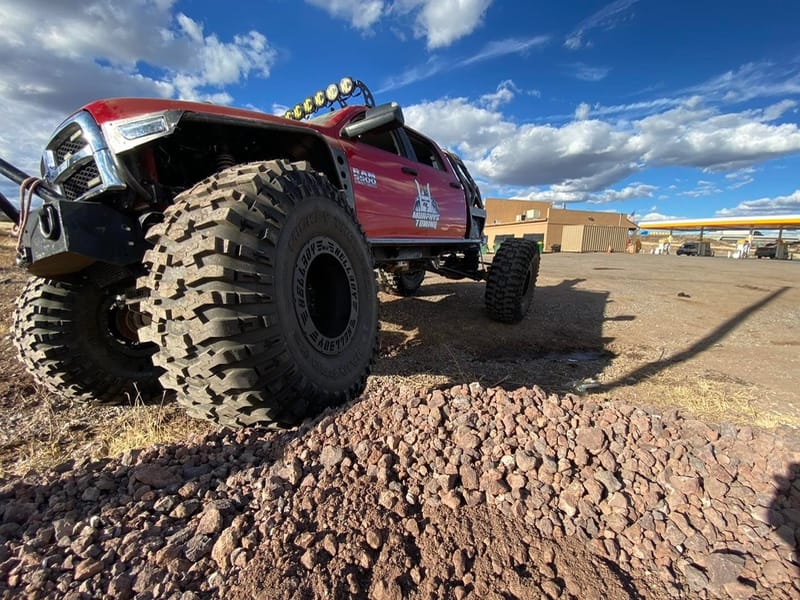
Murphy’s Heavy Towing: Ash Fork Semi Towing Ready for Every Monsoon Season
Murphy’s Heavy Towing has operated out of the Ash Fork, Flagstaff, and Holbrook area since 2014. Our team runs I-40 calls in every season, and monsoon response is a regular part of the work. From flooded pull-outs to storm-related tire failures, Ash Fork semi towing during monsoon season follows patterns we know well. Our ASE-certified technicians handle heavy towing, off-road recovery, and diesel repair under one roof.
Conditions on I-40 during monsoon months change faster than weather apps update. Having a contact for Ash Fork semi towing ready before you need it makes sense on this corridor. Murphy’s is family-owned, honest about costs, and straightforward to deal with. Every Ash Fork semi towing call gets the same care, regardless of the hour or the weather.
FAQ
What is a haboob and how do drivers know one is approaching?
A haboob is a wall of dust and sand pushed forward by a collapsing thunderstorm outflow. It can travel at highway speeds and appears as a dark brown or tan wall on the horizon, sometimes miles away. Drivers in open desert terrain often see it building in the distance before it arrives. Visibility inside a haboob can drop to near zero within seconds of the wall reaching the vehicle.
How does flash flooding on a desert highway differ from flooding in other climates?
Desert soils have low absorption rates, so water runs off the surface almost immediately rather than soaking in. That makes flash flooding faster and more localized than rainfall flooding in wetter climates. A small amount of rain over a short period can generate high volumes of fast-moving water, especially in canyons and wash systems. The flooding can also occur several miles from where the rain actually fell.
What should a commercial driver do when severe monsoon rain begins mid-trip on a desert highway?
Reduce speed immediately, increase following distance, and watch for standing water at low points and wash crossings. If visibility drops significantly, find a safe place to pull fully off the road and wait for conditions to improve. Avoid pulling onto soft unpaved shoulder, which can become unstable in rain. If a haboob is visible ahead, exit the road before it reaches you.
Why do semi trucks face greater risk than passenger vehicles on wet desert grades?
A loaded semi carries far more momentum than a passenger vehicle, which means braking distances increase substantially on a slick surface. The height of a trailer also creates wind and sway forces that are harder to manage in wet conditions. On downgrades, a driver has fewer correction options once trailer sway begins. The combination of weight, height, and speed makes wet desert grades a genuine hazard for commercial drivers.
How does monsoon debris on the roadway cause tire failures on commercial trucks?
Monsoon water carries rocks, gravel, and debris from surrounding terrain onto the roadway. Some debris is large enough to puncture or cut a tire. Hard objects swept across asphalt and lodged against the curb or shoulder can be difficult to see at highway speed, especially in low-light or stormy conditions. Commercial tires take more punishment than passenger tires, but repeated impacts with debris eventually cause failures.
What services do heavy towing companies provide after weather-related incidents on desert highways?
Heavy towing companies handle a range of weather-related calls beyond standard towing. Soft-shoulder recovery extracts trucks that have drifted off the road onto rain-softened ground. Off-road recovery handles vehicles that have left the pavement entirely. Diesel repair addresses mechanical failures caused by water intrusion or electrical damage from flooding. Tire services address the flat tire volume that increases after monsoon debris crosses the road.